
Gambling's cultural impact understanding its role in societal rituals and traditions
The Historical Roots of Gambling in Culture
Gambling has deep historical roots that intertwine with many cultures around the world. From ancient Chinese dice games to the betting practices of the Romans, gambling has often been a reflection of societal values and norms. These early forms of gambling were not merely games of chance; they held social significance, often intertwined with religious ceremonies or rites of passage. This historical context underlines how gambling has always been more than a mere pastime; it has acted as a medium through which cultures express their beliefs and traditions. Additionally, players at Slotshopper casino can explore modern iterations of this age-old practice.
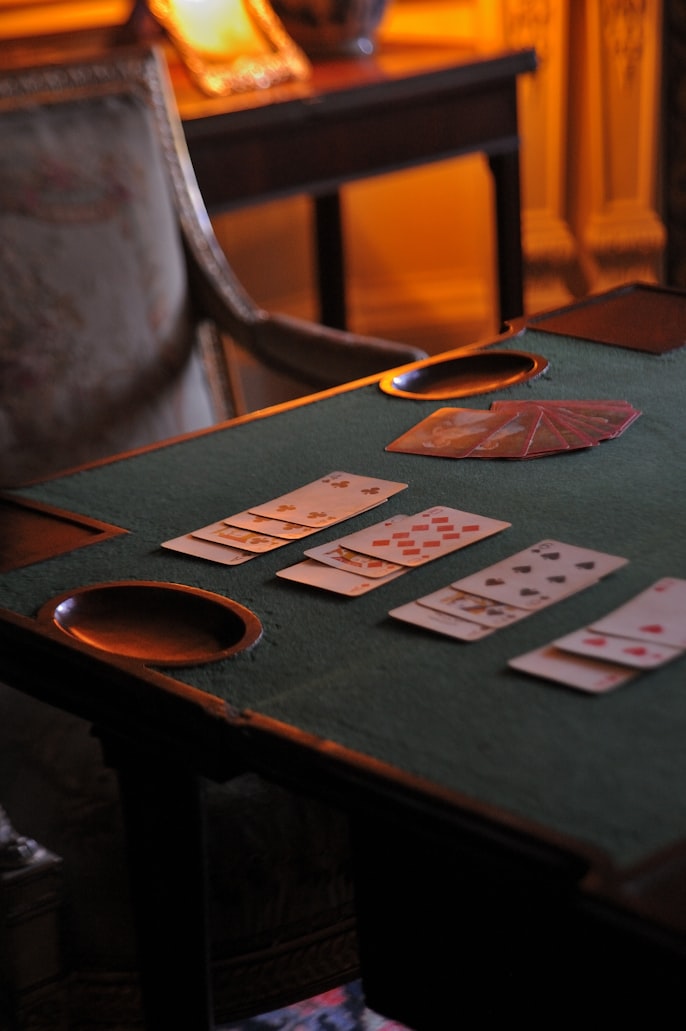
In many cultures, gambling served as a means of storytelling. For example, Native American tribes would often use games of chance during spiritual gatherings, reinforcing community ties and cultural narratives. The outcomes of these games were sometimes interpreted as signs from the spirits or ancestors, providing deeper meaning to the act of gambling. This connection shows that gambling has historically been embedded in the fabric of social cohesion and cultural identity.
As societies evolved, so did the nature and perception of gambling. It transitioned from sacred rituals to more organized forms, such as lotteries and casino games. The emergence of these structured gambling systems reflects a society’s evolving values surrounding chance, luck, and risk. The growing acceptance of gambling in various cultures emphasizes its persistent relevance, serving as both entertainment and a social glue that fosters interaction and community building.
Gambling as a Reflection of Social Norms
Gambling often mirrors the prevailing social norms and values of a culture. For instance, in societies that prioritize individual success and competition, gambling can be seen as an extension of these ideals. The thrill of taking risks resonates with the ethos of striving for personal achievement, making it a popular form of recreation. This connection between gambling and societal values showcases how deeply integrated gambling is in our lives, serving as a barometer for cultural attitudes toward risk-taking and reward.
Moreover, the role of gambling in social gatherings highlights its capacity to strengthen relationships. Events such as poker nights or community bingo games become communal rituals, reinforcing social bonds. These gatherings often transcend mere entertainment; they create a shared experience that fosters camaraderie and connection. As such, gambling serves as a medium for social interaction, illustrating its role in not just individual but collective cultural practices.
Cultural attitudes toward gambling can also shift significantly due to external factors, such as economic changes or technological advancements. For instance, the rise of online gambling platforms reflects contemporary society’s increasing acceptance and normalization of gambling. This evolution not only showcases how gambling adapts to modern lifestyles but also emphasizes its ongoing role in shaping societal norms and practices.
The Role of Gambling in Religious and Spiritual Practices
Gambling has long been interwoven with religious and spiritual practices across various cultures. In many ancient societies, gambling was often used as a form of divination, where the outcomes of games were seen as messages from the divine. For instance, casting lots or throwing dice was a common method to seek guidance or make decisions, reflecting a belief in the supernatural influence of luck. This intersection of gambling and spirituality illustrates how deeply embedded these practices are within human cultures.
In some cultures, specific gambling rituals are reserved for religious ceremonies, highlighting their sacred nature. The connection between gambling and spirituality offers a unique perspective on how these activities are perceived. For example, in certain African cultures, gambling is an integral part of initiation rites, symbolizing the transition from childhood to adulthood. These events are not solely about the games played; they serve as significant cultural milestones, reinforcing the importance of community and shared beliefs.
Furthermore, as societies modernize, the relationship between gambling and spirituality evolves but does not disappear. Many contemporary spiritual practices still incorporate elements of chance and risk. The reinterpretation of gambling in these contexts emphasizes its ongoing significance as a means of exploring fate, destiny, and the human condition. Thus, the cultural impact of gambling continues to manifest in both traditional and modern spiritual frameworks.
Gambling’s Influence on Art and Literature
The cultural impact of gambling extends into the realms of art and literature, shaping narratives and artistic expressions for centuries. Many literary works explore themes of chance, fate, and the human experience through gambling. Classic authors like Dostoevsky in “The Gambler” delve into the psychological complexities of addiction and desire, illustrating how gambling can be both a thrilling pursuit and a destructive force. These narratives not only entertain but also provoke critical thinking about the moral implications of gambling in society.
In visual arts, gambling has been depicted in various forms, from paintings to modern digital media. Artists often use gambling motifs to comment on the human condition, exploring themes of risk, reward, and existential uncertainty. For instance, the famous painting “The Card Players” by Cézanne captures not only the act of gambling but also the social dynamics and emotions that accompany it. This intersection between art and gambling highlights the deep cultural significance of these activities and their capacity to convey complex human experiences.
Moreover, popular culture continues to be influenced by gambling, with movies and television series often centering around this theme. Narratives that involve high-stakes gambling frequently explore larger themes of ambition, morality, and social justice, reflecting societal attitudes toward risk and reward. As such, the portrayal of gambling in art and literature serves as a critical lens through which we can examine cultural values and the multifaceted nature of human experience.

Exploring Online Gambling and Its Cultural Impact
With the rise of technology, online gambling has emerged as a significant aspect of contemporary culture. Platforms such as online casinos have transformed the gambling landscape, making it more accessible than ever before. This shift reflects broader societal trends toward digitalization and the increasing acceptance of online interactions. The convenience and variety offered by online gambling platforms cater to the needs of modern society, illustrating how gambling continues to adapt to cultural shifts.
As online gambling gains popularity, it also influences cultural perceptions of traditional gambling practices. The integration of advanced technologies, such as virtual reality and live dealer games, offers new dimensions to the gambling experience. These innovations not only enhance user engagement but also reshape the social dynamics of gambling. The ability to interact with others online brings a sense of community, reminiscent of traditional gambling practices, thus bridging the gap between the old and the new.
Online gambling platforms also play a vital role in promoting responsible gaming. As awareness of gambling addiction grows, many online casinos implement measures to encourage safe play. This cultural shift emphasizes the importance of accountability and education in gambling, reflecting a deeper societal understanding of the risks involved. As we navigate this evolving landscape, it is crucial to recognize the ongoing cultural impact of gambling, both in its traditional forms and its modern adaptations.
